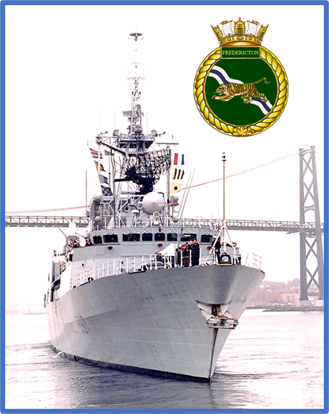
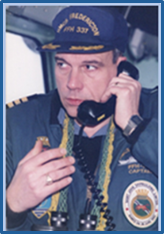
Op Sharp Guard, le 10 déc. 95 au 25 mars 96, le capt (M) (ret) Kevin D.W. Laing, commandant du NCSM Fredericton
AVERTISSEMENT : En raison de la nature du conflit et des opérations dans les Balkans, certaines de ces histoires d'anciens combattants peuvent contenir du contenu graphique ou troublant. Veuillez faire preuve de discrétion. Si une histoire nuit à votre santé mentale, envisagez de demander de l'aide en consultant les organismes énumérés dans la section Ressources de ce site Web.
Opération Sharp Guard
Nom de l’opération internationale : Opération SHARP GUARD
Dates des opérations internationales : 1993/06/15 – 1996/06/19
Organismeresponsable : Nations Unies
Régiongéographique : Europe
Lieu: Mer Adriatique
Nom de l’opération canadienne : Opération SHARP GUARD
Dates des opérations canadiennes : 1993/06/24 – 1996/05/16
Mandat de la mission :
Appliquer les résolutions du Conseil de sécurité des Nations Unies imposant un embargo sur les importations en République fédérale de Yougoslavie (Serbie et Monténégro).
Notes sur la mission :
En raison de la dégradation de la situation politique et militaire en ex Yougoslavie, les Nations Unies ont mis sur pied la Force de protection des Nations Unies dans le but d’atténuer les circonstances difficiles en Bosnie-Herzégovine et en Croatie. Un embargo sur les armes a également été imposé à la République fédérale de Yougoslavie (RFY - Serbie et Monténégro) au moyen de l’adoption de la résolution 713 du Conseil de sécurité le 25 septembre 1991. Tant l’Organisation du Traité de l’Atlantique Nord (OTAN) que l’Union de l’Europe occidentale (UEO) ont fourni des navires pour faire respecter l’embargo. L’OTAN a également déployé des avions de patrouille maritime et de détection aérienne avancée. Cependant, la résolution n’a pas attribué suffisamment de pouvoirs pour arrêter les contrevenants présumés, puisqu’elle permettait uniquement de les inscrire dans un registre.
Le 30 mai 1992, le Conseil de sécurité a adopté la résolution 757, qui a renforcé la capacité de faire respecter l’embargo et qui a élargi celui-ci à tous les articles à l’exception des denrées alimentaires et des médicaments. L’OTAN et l’UEO ont continué de fournir des navires et les aéronefs déployés auparavant afin d’appuyer leurs opérations respectives. Le 17 avril 1993, le Conseil de sécurité a adopté la résolution 820, qui interdisait à tous les navires d’entrer dans les eaux territoriales de la RFY. Le 8 juin, lors d’une séance conjointe du Conseil de l’Atlantique Nord et de l’UEO, les deux organisations ont décidé de combiner leurs opérations visant à faire respecter l’embargo imposé à la RFY. La nouvelle opération, baptisée Op SHARP GUARD, a débuté le 15 juin 1993.
L’Op SHARP GUARD comprenait deux forces opérationnelles navales, l’une de l’UEO et l’autre de l’OTAN, qui menaient leurs opérations sous le nom de Force opérationnelle multinationale (FOM) 440. La force opérationnelle navale de l’OTAN se fondait sur la Force navale permanente de l’Atlantique (STANAVFORLANT) ou la Force navale permanente de la Méditerranée (STANAVFORMED). Les forces étaient placées sous le contrôle opérationnel de l’OTAN, renforcé par des officiers d’état-major de l’UEO. Les avions de patrouille maritime de l’OTAN effectuaient des vols au-dessus de la Méditerranée et de l’Adriatique afin d’identifier les navires marchands et de produire un tableau des endroits où se trouvaient tous les navires dans l’Adriatique. Quant aux avions de détection aérienne avancée de l’OTAN, ils remplissaient une fonction de coordination et de contrôle en repérant les menaces aériennes et maritimes et en informant le navire de l’OTAN approprié et le quartier général de la FOM 440.
Les navires déployés dans le cadre de l’Op SHARP GUARD menaient des opérations jusqu’à la limite territoriale de 12 milles des eaux de la FRY. L’Albanie avait autoriséles navires de l’Op SHARP GUARD à entrer dans ses eaux territoriales pour faire respecter l’embargo. Les navires demeuraient dans un état d’alerte élevé tandis qu’ils circulaient au large des eaux de la FRY. En effet, cette dernière possédait une marine qui constituait une importante menace, notamment dessous-marins très performants. Il y avait aussi des missiles et des avions anti-navires basés à terre qui pouvaient effectuer des frappes anti-navires. À de nombreuses reprises, les navires et aéronefs de la RFY ont réalisé des activités qui auraient pu être interprétées comme hostiles, notamment lorsque des avions ont mené ce qui selon toute apparence étaient des attaques contreles navires. Seule la calme détermination des capitaines de certains navires a empêché que l’on ouvre le feu sur les combattants contrevenants de la RFY.
Après la signature de l’Accord de paix de Dayton en décembre 1995, le calme a commencé à revenir en Bosnie-Herzégovine. Constatant qu’une entente était survenue à Dayton (Ohio) en novembre, le Conseil de sécurité a accepté de lever graduellement l’embargo à partir de 90 jours après la signature de l’accord par la RFY. La résolution 1021 a été adoptée le 22 novembre 1995, tout comme la résolution 1022, qui a annulé d’autres aspects des sanctions imposées à la RFY et aux Serbes de Bosnie. Par suite de l’adoption de ces deux résolutions, l’Op SHARP GUARD a été progressivement réduite pour finalement se terminer le 19 juin 1996.
Notes sur Mission canadienne :
La participation canadienne à l’Op SHARP GUARD, qui s’est déroulée sous le même nom, comprenait à la fois des forces navales et des forces aériennes. La réaction initiale a consisté à dépêcher le NCSM Algonquin, qui était alors le navire amiral de la STANAVFORLANT, à l’Op SHARP GUARD lorsque l’OTAN a affecté la STANAVFORLANT à l’appui de la nouvelle opération le 8 juin 1993.
L’Algonquin a pris part au premier de 11 déploiements, au cours des quels deux navires ont été déployés deux fois.
En raison de leurs capacités, les navires canadiens se trouvaient habituellement dans les zones d’opérations avancées, soit le plus près des eaux territoriales de la RFY. En une occasion, ils l’ont échappé belle, lorsqu’un appareil de la RFY a mené une attaque contre l’un des navires et à d’autres occasions, lorsqu’ils ont été pris pour cible par le radar de conduite de tir de la RFY. À un autre moment, un bâtiment de guerre canadien s’est interposé entre un navire de guerre de la RFY et un bateau de pêche que celui-ci avait attaqué.
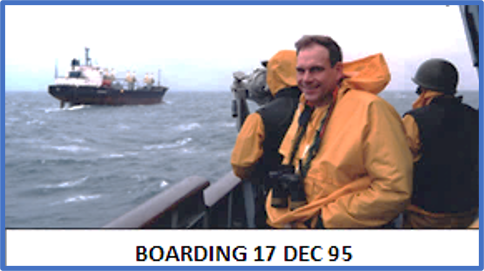
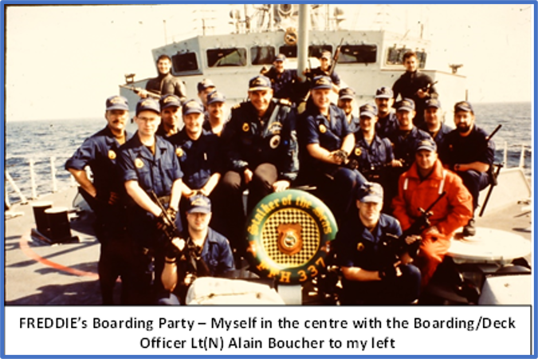
Élément plus important, les bâtiments de guerre canadiens ont mené des centaines d’interpellations et plus de 100 arraisonnements et inspections de navires, ce qui a entraîné le déroutement d’environ une douzaine de navires vers des ports italiens aux fins d’inspections plus détaillées.
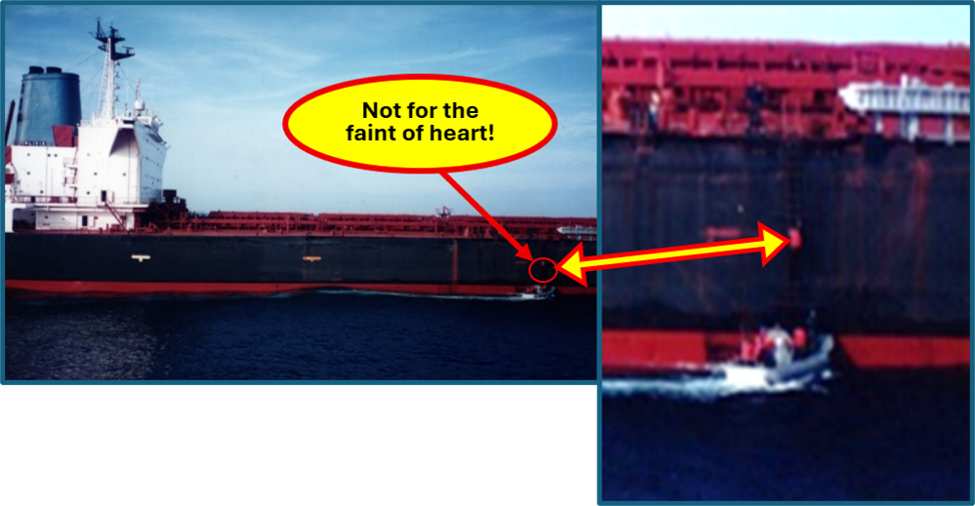
Pour procéder à ces arraisonnements, il fallait en général amener une embarcation pneumatique à coque rigide (semblable à un Zodiac) le long du navire et grimper au moins cinq étages sur une échelle souvent mouillée, parfois sur une mer agitée. L’équipe d’arraisonnement canadienne se montrait ensuite très respectueuse envers le capitaine et l’équipage du navire marchand tandis qu’elle effectuait l’inspection. À l’occasion, l’hélicoptère du navire était utilisé pour transporter l’équipe d’arraisonnement à bord du navire devant être inspecté.
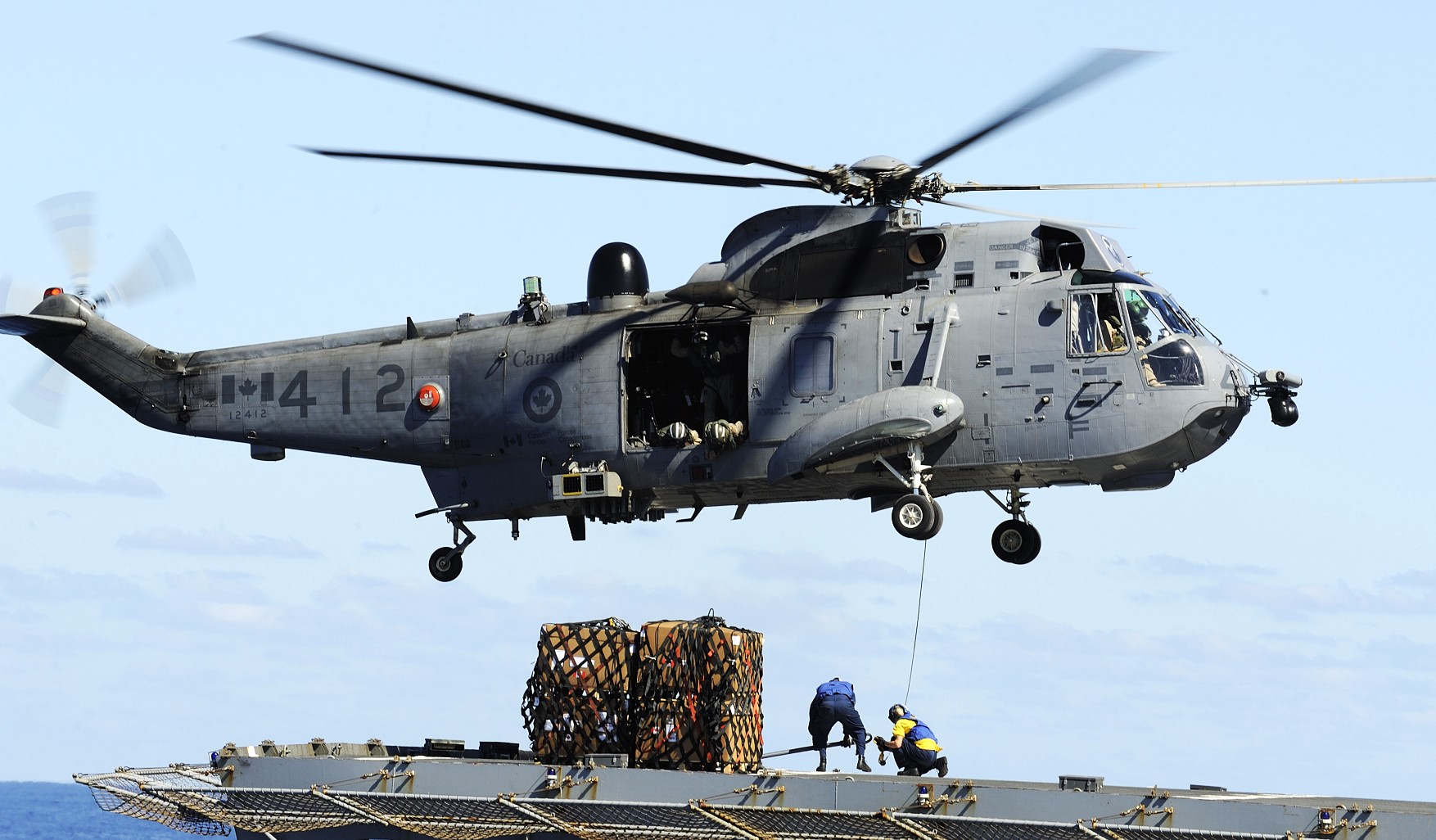
(Photo MND)
Les bâtiments de guerre canadiens se déployaient habituellement avec un hélicoptère CH-124 Sea King embarqué. La plupart des Sea King étaient configurés pour la lutte anti-sous-marine, ce qui était une mesure de prudence étant donné la capacité sous-marine de la marine de la RFY. Les hélicoptères étaient également dotés de jumelles infrarouges à vision frontale et de jumelles gyrostabilisées permettant de chercher des navires en mer et de les identifier, ainsi que d’éjecteurs de paillettes, de leurres thermiques et de systèmes de détection de missiles. Les Sea King élargissaient donc la capacité opérationnelle des bâtiments de guerre.
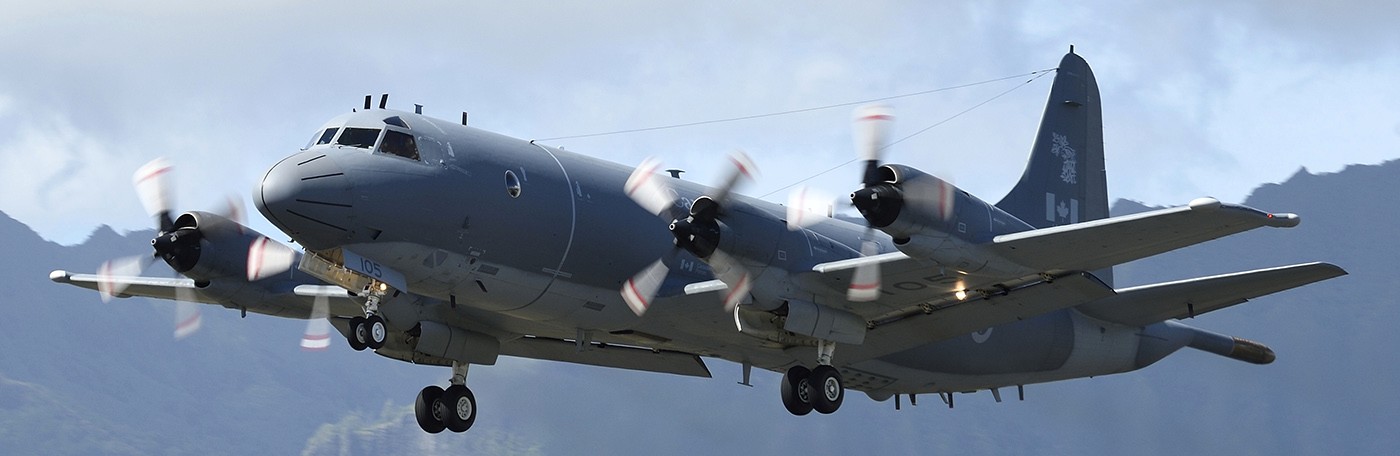
(Photo MND)
La Force aérienne du Canada a apporté une précieuse contribution à l’Op SHARP GUARD au-delà des hélicoptères Sea King déployés à bord des navires canadiens de Sa Majesté. D’août 1993 à mai 1994, et par la suite de mai 1995 à septembre 1995, deux CP-140 Aurora ont été déployés à Sigonella, en Italie, pour effectuer des vols de patrouille au-dessus de la Méditerranée et de l’Adriatique. Les vols au-dessus de l’Adriatique étaient particulièrement exigeants, car les avions n’étaient qu’à quelques minutes de vol de tout appareil hostile de la RFY, et les Aurora étaient parfois détectés par des radars de conduite de tir. Dans de tels cas, ils devaient prendre immédiatement des mesures d’évitement, car cela pouvait indiquer qu’un missile surface-air était en route. Les Aurora accomplissaient au moins une mission par jour, chacune durant 10 heures. En conduisant des vols de reconnaissance générale et en identifiant des navires, ils permettaient aux commandants de dresser un portrait de la situation en mer et de « repérer » les endroits où se trouvaient d’éventuels contrevenants à l’embargo.
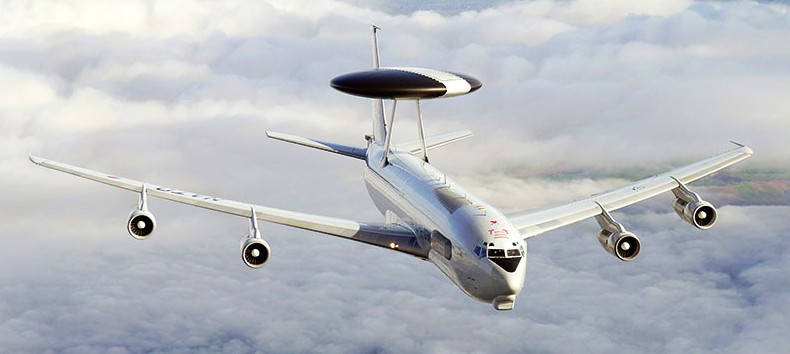
(Photo MND)
Le personnel de la Force aérienne du Canada a également servi auprès de la Force aéroportée de détection lointaine de l’OTAN (NAEWF). Cette dernière, basée à Geilenkirchen, en Allemagne, utilisait un « Boeing E-3A Sentry » pour observer la circulation aérienne sur de vastes secteurs de l’Adriatique et de l’ex-Yougoslavie. Les E-3 fournissaient aussi une capacité de coordination des diverses ressources pouvant faire face à une menace ou gérer une situation. L’équipage de chaque vol de « Sentry » comprenait des Canadiens.
La contribution navale du Canada à l’Op SHARP GUARD s’est terminée le 15 mai 1996 lorsque le NCSM Halifax a quitté les lieux. La contribution de la Force aérienne (Aurora) a pris fin en septembre 1995. Le personnel servant auprès de la NAEWF a mené des missions jusqu’à la fin de l’opération. Environ 3 400membres des Forces armées canadiennes ont participé à l’Op SHARP GUARD.
Le contenu de la présente page Web a été préparé par la section des Dossiers opérationnels de la Direction – Histoire et patrimoine (DHP).
Voici la liste des navires qui ont participé à l’Op SHARP GUARD et les dates aux quellesils ont mené des opérations :
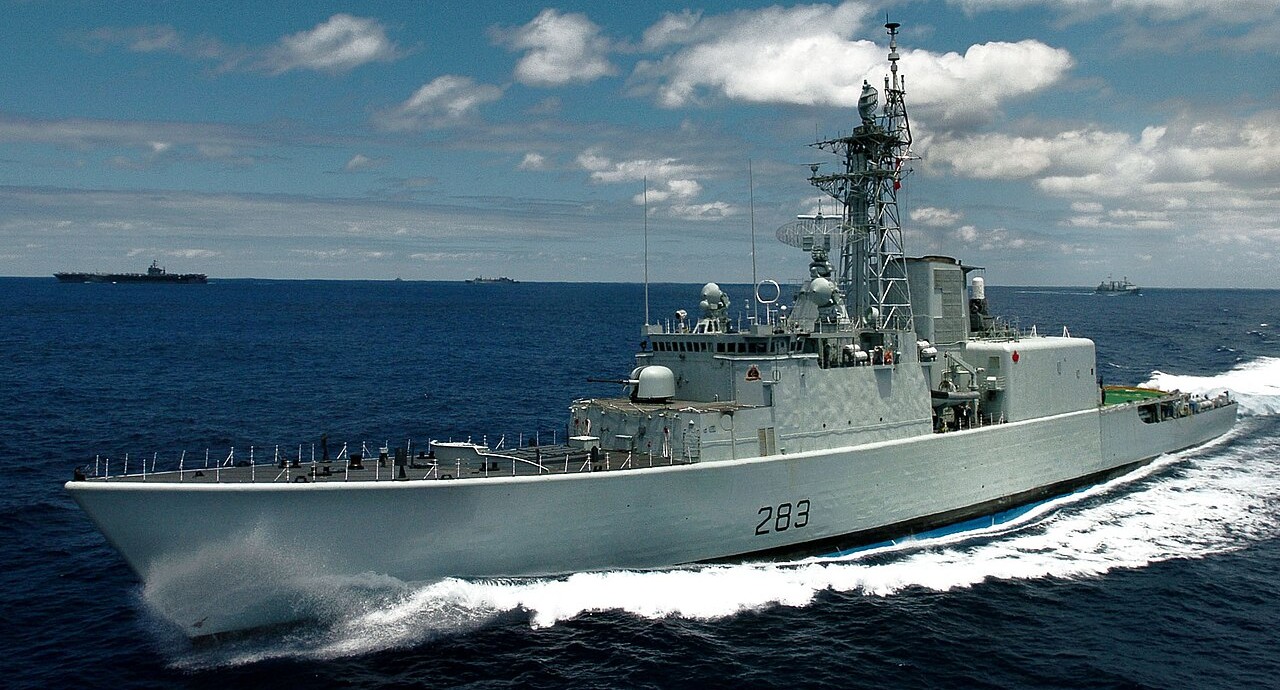
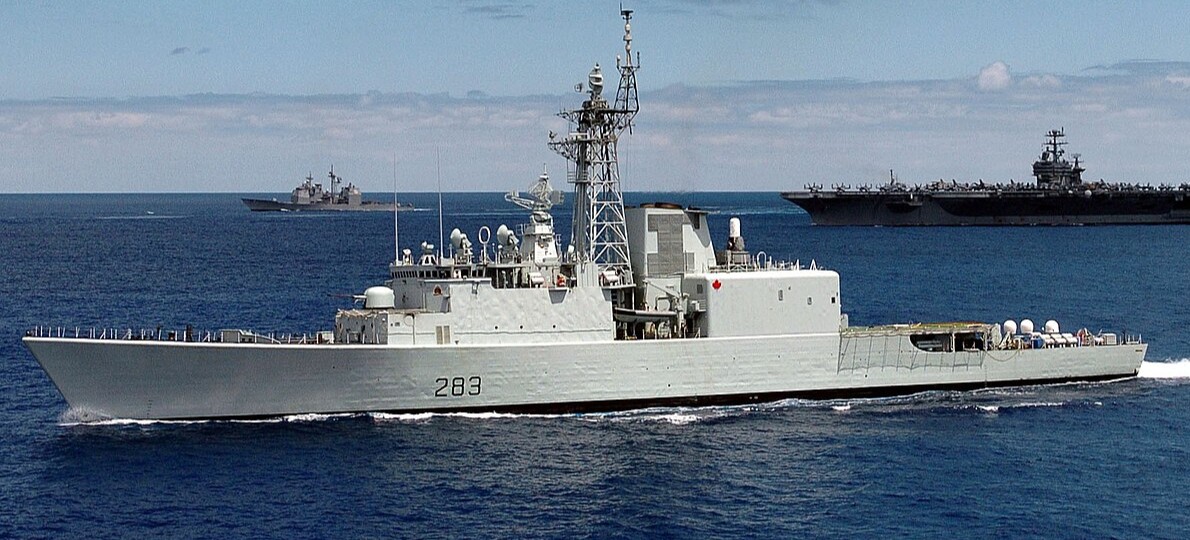
(Photo prise par le maitre photographe de 2e classe Jayme Pastoric, Marine américaine)
NCSM Algonquin (DDH 283), du 24 juin au 3 octobre 1993.
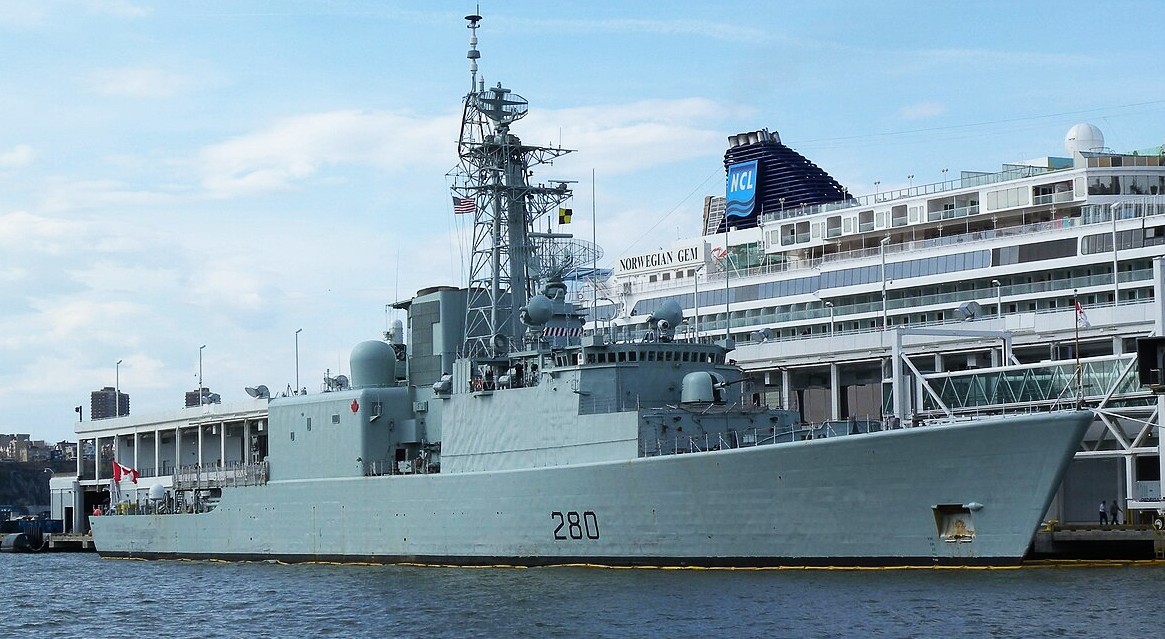
(Photo de Jim Henderson)
NCSM Iroquois (DDH 280), du 7 octobre 1993 au 4 avril 1994.
.jpg)
(Photo prise par le Sous-officier de 2e classe, spécialiste en communication de masse Erica R.Gardner, Marine américaine)
NCSM Preserver (AOR 510), du 11 février au 27 mai 1994.
_en_route_to_Haiti_2010-01-18%20(1).jpg)
(Photo prise par le Sous-officier de 2e classe, spécialiste en communication de masse Kristopher Wilson, Marine américaine)
NCSM Halifax (FFH 330), du 18 avril au 25 août 1994.
_3.jpg)
(Photo prise par le maitre photographe de 1re classe Brien Aho, Marine américaine)
NCSM Toronto (FFH 333), du 5 septembre 1994 au 11 janvier 1995.
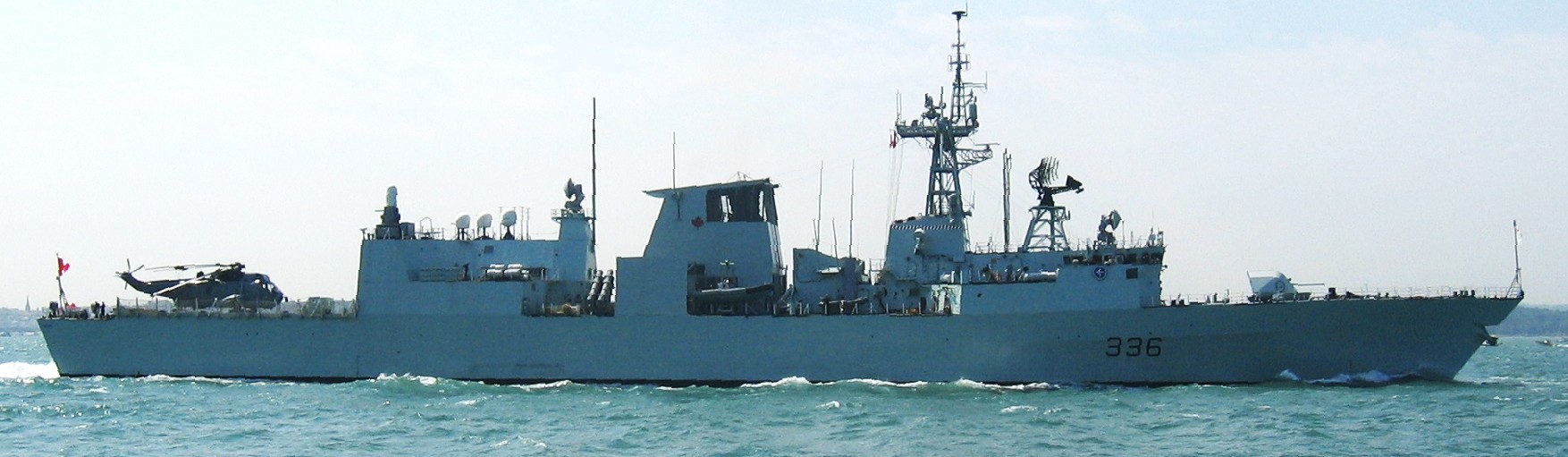
(Photo de Bruce Davidson)
NCSM Montréal (FFH 336), du 20 janvier au 8 juillet 1995.
NCSM Preserver (AOR 510), du 27 mars au 5 mai 1995.
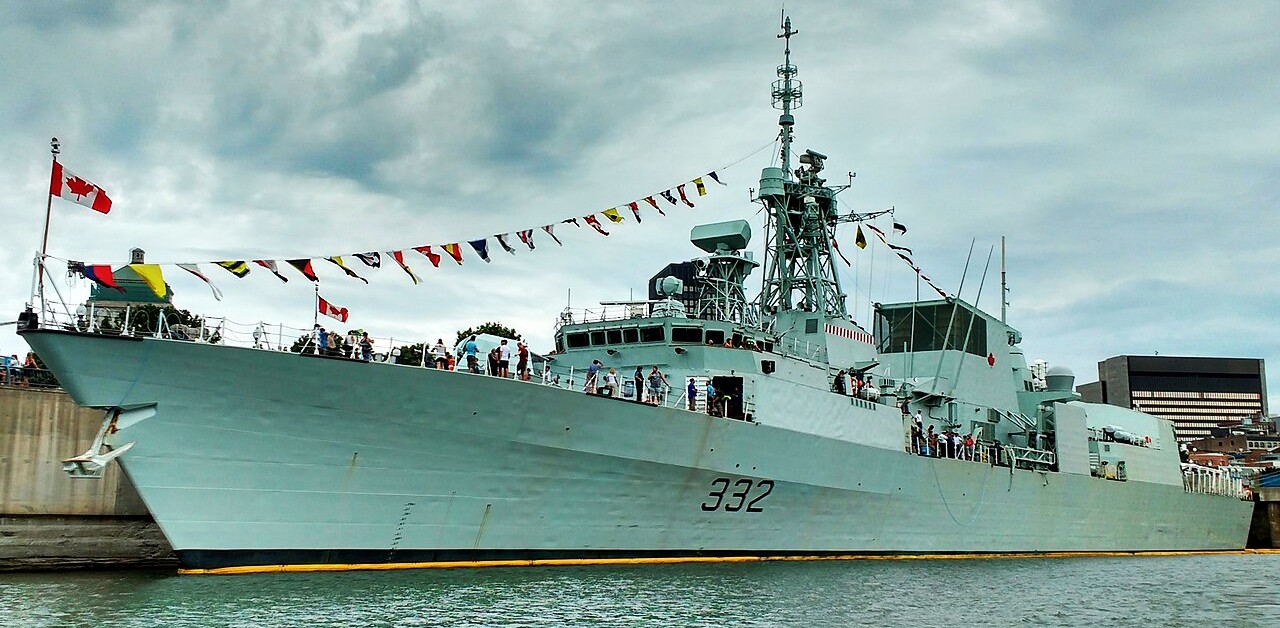
(Photo de RedAndr)
NCSM Ville de Québec (FFH 332), du 15 juillet au 8 décembre 1995.
_leaves_Pearl_Harbor_in_July_2014.JPG)
(Photo de la Marine américaine prise par le sgt Matthew McGregor, Forces armées canadiennes)
NCSM Calgary (FFH 335), du 25 octobre au 26 novembre 1995.
.JPG)
(Christopher R. Shrank, photo de la Marine américaine)
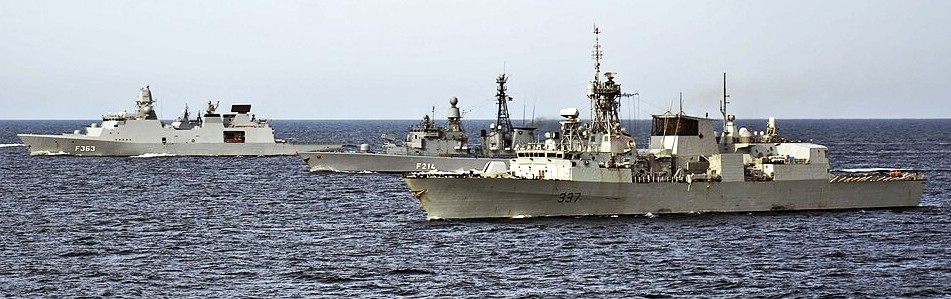
NCSM Fredericton (FFH 337), du 11 décembre 1995 au 20 mars 1996.
Le NCSM Fredericton a quitté Halifax le 28 novembre 1995 et a entamé sa traversée de l'Atlantique vers Gibraltar où il devait rejoindre le NCSM Ville de Québec pour effectuer la passation de commandement du FMPA et obtenir les derniers renseignements et informations sur la situation opérationnelle en Adriatique.
NCSM Halifax (FFH 330), du 30 mars au 15 mai 1996.
Est-ce que vous avez des commentaires ou une histoire à partager ?