ICFY Monitoring Mission, Wayne Nightingale, 1994 to 1995
WARNING: Due to the nature of the conflict and operations in the Balkans, some of these veterans' stories may contain graphic or disturbing content. Please use your discretion. If a story adversely affects your mental health, consider seeking help by consulting the agencies listed in the Resources section of this website.
In the summer of 1994, Yugoslavian President Milosevic, under increasing pressure from the UN and western nations, closed the border between the Federal Republic of Yugoslavia (FRY – Serbia and Montenegro) and the 'Bosnian Serb Republic' as a political gesture to achieve a relaxation of the international embargo against his country.
On 17 September 1994, the FRY agreed to a non-uniformed observer mission to be overseen by the International Conference on the Former Yugoslavia (ICFY). The Security Council activated this Monitoring Mission along the Serbian-Bosnian border on 23 September 1994. All observers were granted diplomatic status (see attached).
Twelve Canadians from various backgrounds (customs, police, former military, humanitarian) were recruited by CARE Canada on behalf of the Canadian Government in October 1994 and deployed to the FRY in November 1994. As I had recently returned from Bosnia/Croatia after a year as an UNMO, I briefed those members of the team who were in the Ottawa area on what to expect regarding weather, terrain, risks (e.g., UXOs/IEDs, snakes), necessary kit and a brief history of the region. A former colleague working at the Privy Council Office provided a more current update on the political and military situation.
In Belgrade, the Canadian team met up with other international observers at the ICFY MM HQ and after an orientation were shipped to the three sectors in Serbia (Sectors Alpha and Bravo) and Montenegro (Sector Charlie) along the Bosnian border.
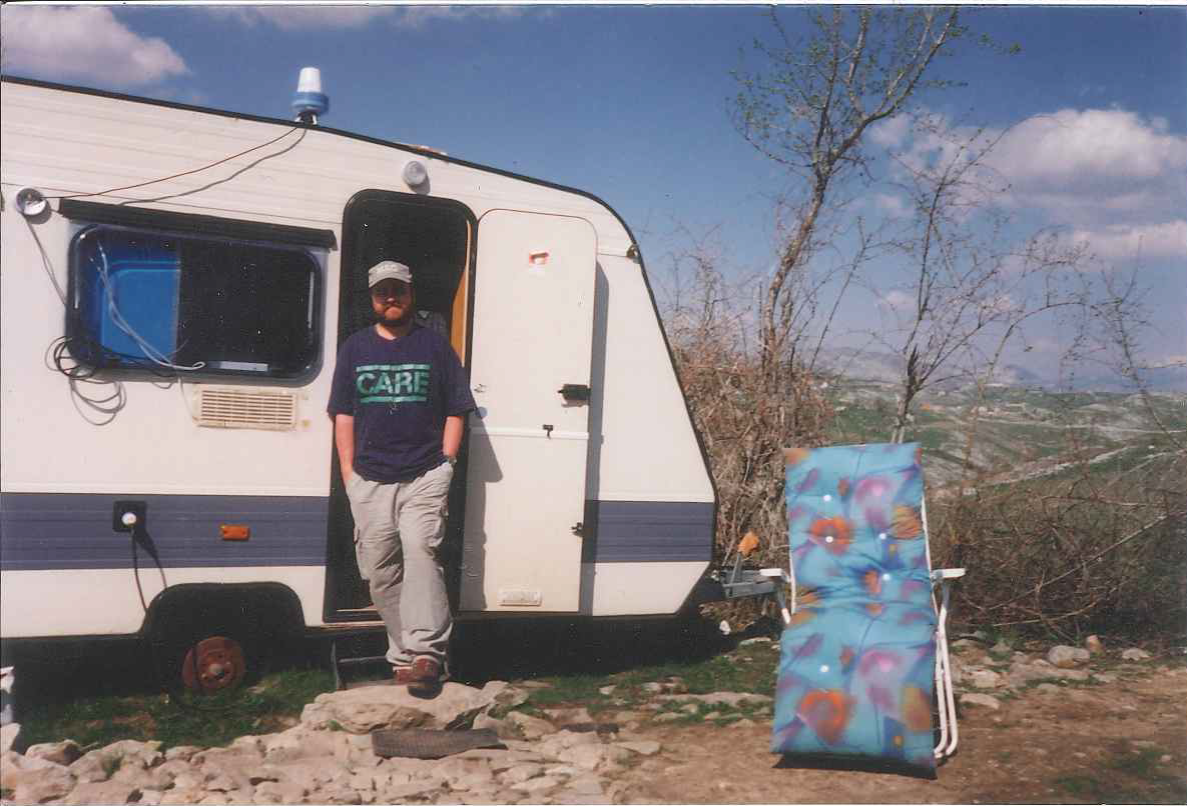
Two of us (Jeff and I) ended up in not-so-sunny Niksic, Montenegro, and the iconic Hotel Ogonost (see photo) from which teams of four (two observers, a driver (Montenegrin police) and an interpreter would deploy to one of the three main border crossing sites in the sector for three to five day shifts (Vilusi, Vracenovic. Scepan Polje ). There were two other crossing sites in the Herceg Novi sub-sector of Sector Montenegro at Sitnica and just outside of Herceg Novi. Conditions at the field sites were quite basic. Summer camping trailers might be okay along the Adriatic beaches but were a bit chilly during the winter in the Montenegrin hills (see photo).
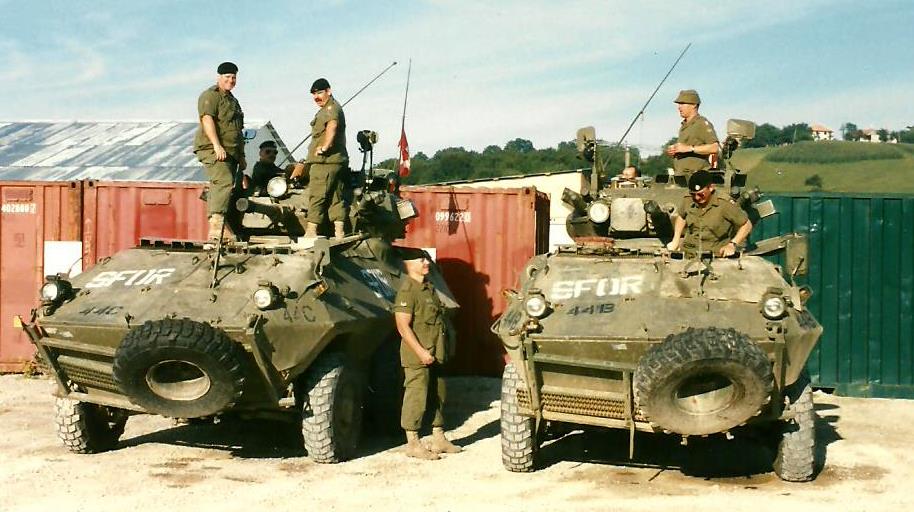
The ICFY MM observers were tasked with checking vehicles, aircraft and trains going into Serb controlled Bosnia via the official routes to verify compliance with the ban on materials (fuel, weapons, etc.) that could support the war effort. We also deployed occasional mobile spot checks along back roads and tracks between the official border crossings (see photo). Given that Montenegro had been a crossroads for ‘informal trade’ between western and eastern Europe since forever, there was no shortage of back routes to check.
Canada’s participation in the ICFY MM ended in May 1995 when UN peacekeepers (including some Canadians) were taken hostage in Bosnia and used as human shields by the Bosnian Serbs.
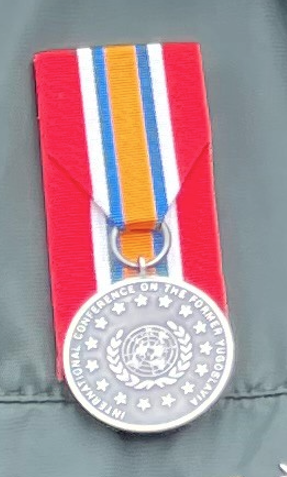
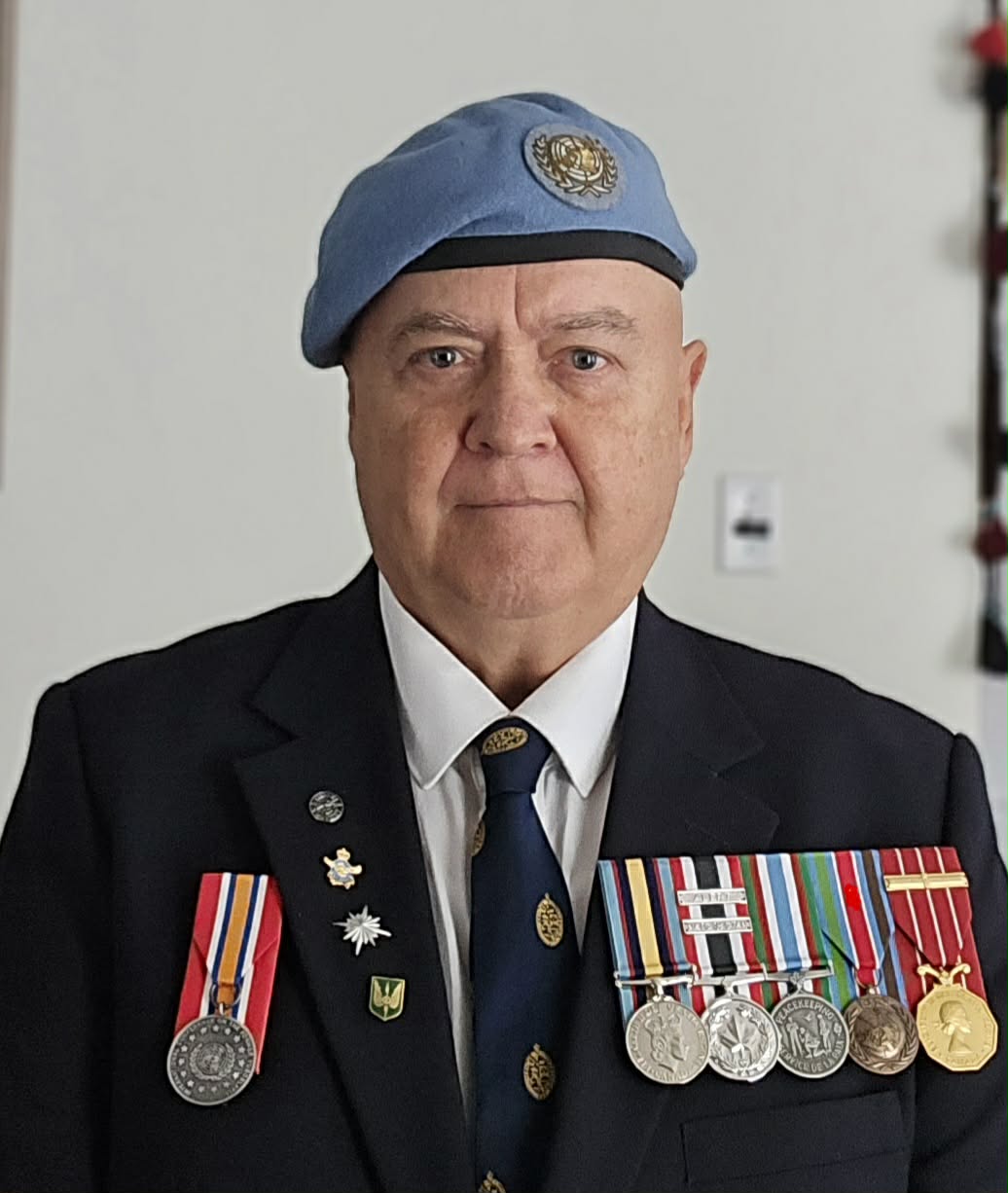
The ICFY MM mission ended in February 1996 with the lifting of the sanctions against the Bosnian Serbs. Participants in the ICFY MM were awarded medals (see photo) which are authorized for wear with military service medals by some countries; however, to my knowledge this does not include Canada.

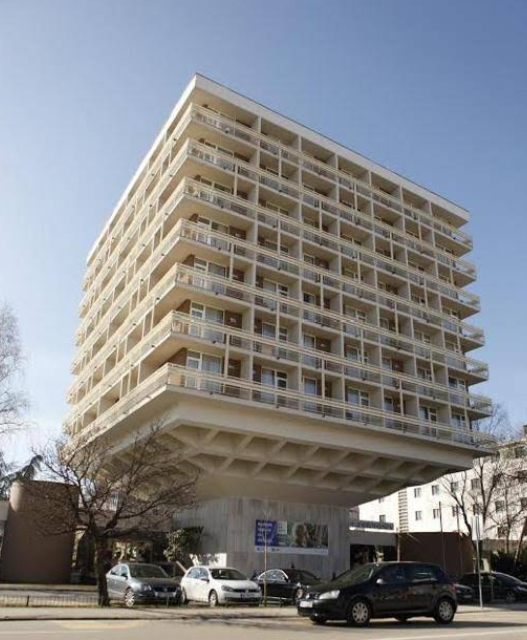
Hotel Onogost.

Montenegro patrol, spring 1995
Have feedback or a story to share?

.jpg)